

What Goes Into an Event Film, and Why It Costs What It Does
A three-minute event film looks simple on screen. Here is the work behind it, from the first call to the final export, so you know exactly what you are paying for.
When someone asks me for a quote for an event film, the question underneath is usually this: why does three minutes of video cost more than a day of filming?
It's a fair question. On screen, a good event film looks effortless. Music, a few speeches, people smiling, a logo at the end. But the three minutes you watch sit on top of a lot of work you never see. Here is what goes into it.
Before the day
The film starts long before I switch on a camera.
I ask for the programme, the list of speakers, and the one thing you want people to remember after watching. I ask who the film is for: your board, your donors, your social media followers, or the people who attended. Each audience needs a different film.
Then I plan. Which moments matter most? Where will the light be at 10am? Where can I stand without blocking a guest's view? Do we need a second camera for the main speech? Is there a quiet room for interviews?
This part takes a few hours. It is also the part that saves the day when things change, which they always do.
On the day
On the day I am doing several jobs at once.
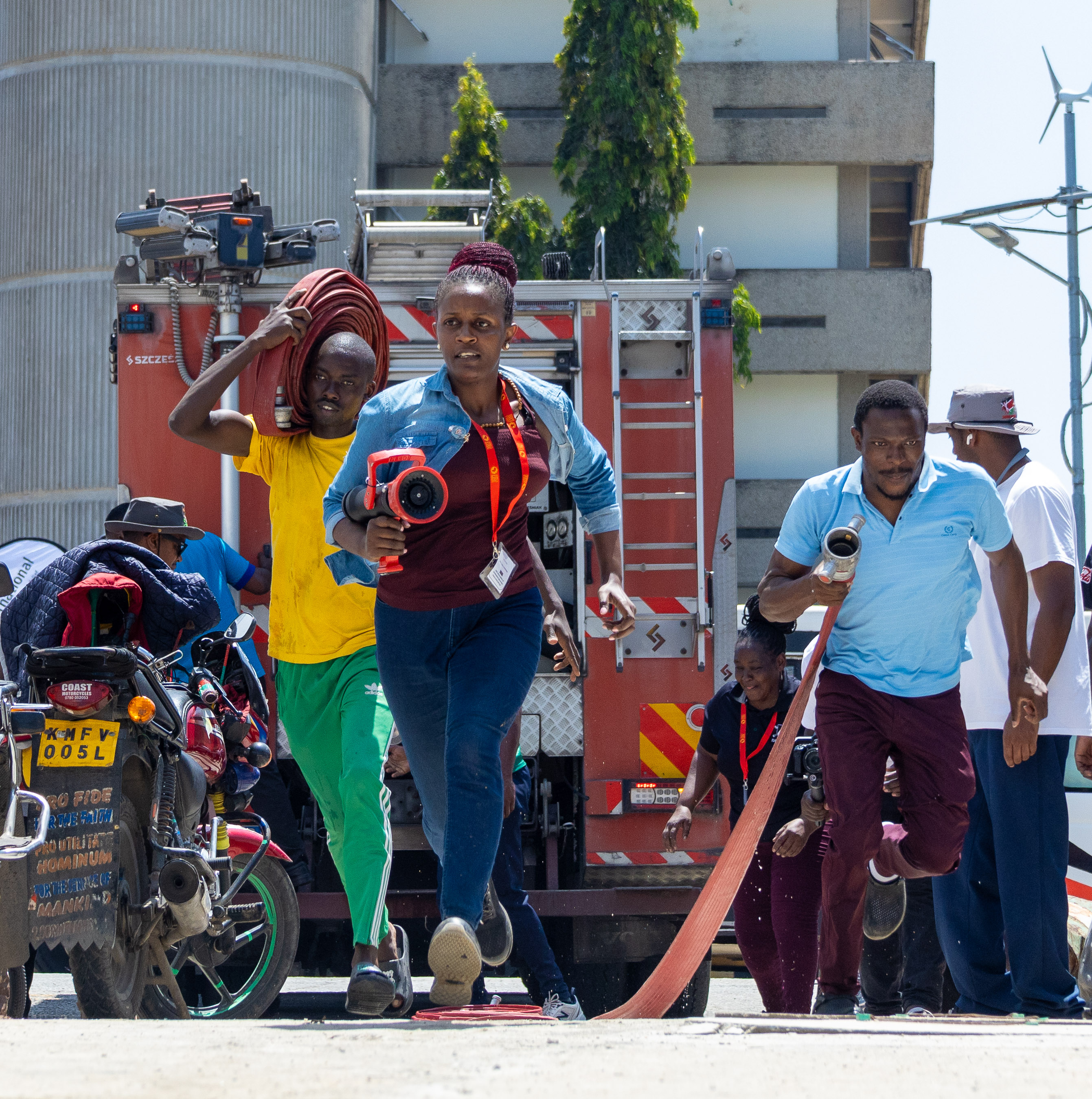
I'm filming the main moments: speeches, the ribbon, the handshake, the group photo. I'm also filming everything around them: hands, faces, the room filling up, a guest laughing at the back. Those small shots are what make a film feel alive. Without them you just have a recording of a meeting.
I'm recording clean sound, which is harder than it sounds in a tent full of people and a PA system that crackles.
I'm usually doing short interviews too. Two or three people, a few questions each, somewhere quiet. These give the film a voice, so it doesn't rely only on speeches.
A full event day for me is often ten or eleven hours, including setup and pack-down.
After the day
This is the part most people don't see, and it is usually longer than the shoot itself.
First I back everything up, twice. A single event can be several hundred gigabytes of footage.
Then I watch it all. Every interview, every angle. I pick the moments that tell the story and throw away the rest. For a three-minute film I might start from four or five hours of material.
Then the edit: building the story, choosing music, cutting to the rhythm, fixing sound, balancing colour so everything looks like it came from the same day. Titles, names, your logo. A first draft goes to you, you send notes, I make changes, and we finish.
Then I export versions for every place the film will live: a wide version for YouTube and your website, a vertical cut for Instagram and TikTok, sometimes a short teaser for the same evening.
So what are you paying for?
You are paying for judgement as much as equipment. Knowing where to stand. Knowing which thirty seconds of a twenty-minute speech is the line people will repeat. Knowing when to stop filming the stage and turn around to catch the audience's reaction.
You are also paying for reliability. Backups, spare batteries, a plan B for sound. The event happens once. There is no second take.
How to get more from your budget
A few things help every client get more value:
- Share the programme early. The more I know, the less I miss.
- Give me one person on the day who can introduce me to speakers and point out who matters.
- Plan for two films, not one. A short highlight for social media and a longer version for your records costs much less together than as two separate jobs later.
- Book photos and video together. One team, one plan, one delivery, and the photos and film match.
If you're planning an event and want to talk through what kind of film makes sense, get in touch. I'm always happy to help you work out what you actually need before we talk about cost.
Follow the Dispatches
Get future field notes, practical client guides, and private reflections delivered straight to your inbox. No spam, just the craft.
Related Dispatches
Discussion & Feedback
Got a story worth telling?
Commissioned documentary films, photography series, and authentic brand storytelling.