

Real Stories, Imagined Worlds: Where AI Fits in My Work, and Where It Doesn't
I make documentaries about real people, and I build imagined worlds with AI tools. Here is where I draw the line between the two, and why.
People are sometimes surprised that I do both.
Most of my work is documentary: real people, real places, real events. Conservation, culture, communities, the conversations people have with themselves. And yet I also spend time building original characters and worlds with AI tools.
That can look like a contradiction. For me it isn't. But it only works because I keep a clear line between the two.
AI is one more camera
The way I think about it is simple: AI is one more camera.
A drone gave filmmakers a new angle. A gimbal gave us movement we couldn't manage by hand. AI tools give me a way to show things a camera can't reach: a city in 1975, a village from a story my grandmother might have told, a world that only exists in someone's imagination.
It is a tool for imagining. It is not a tool for pretending.
Where it fits
I use AI tools for:
- Original stories and worlds. Characters and places that never existed and never claimed to. This is where the tools are exciting, especially for African stories that have rarely had the budget to be told on screen.
- Development and planning. Testing a look, a mood or a scene before we spend money shooting it. A director can show a client or a crew what a scene will feel like.
- Trailers and teasers for original projects. A way to share an idea early and see if it connects with people.
Where it doesn't
I don't use AI to:
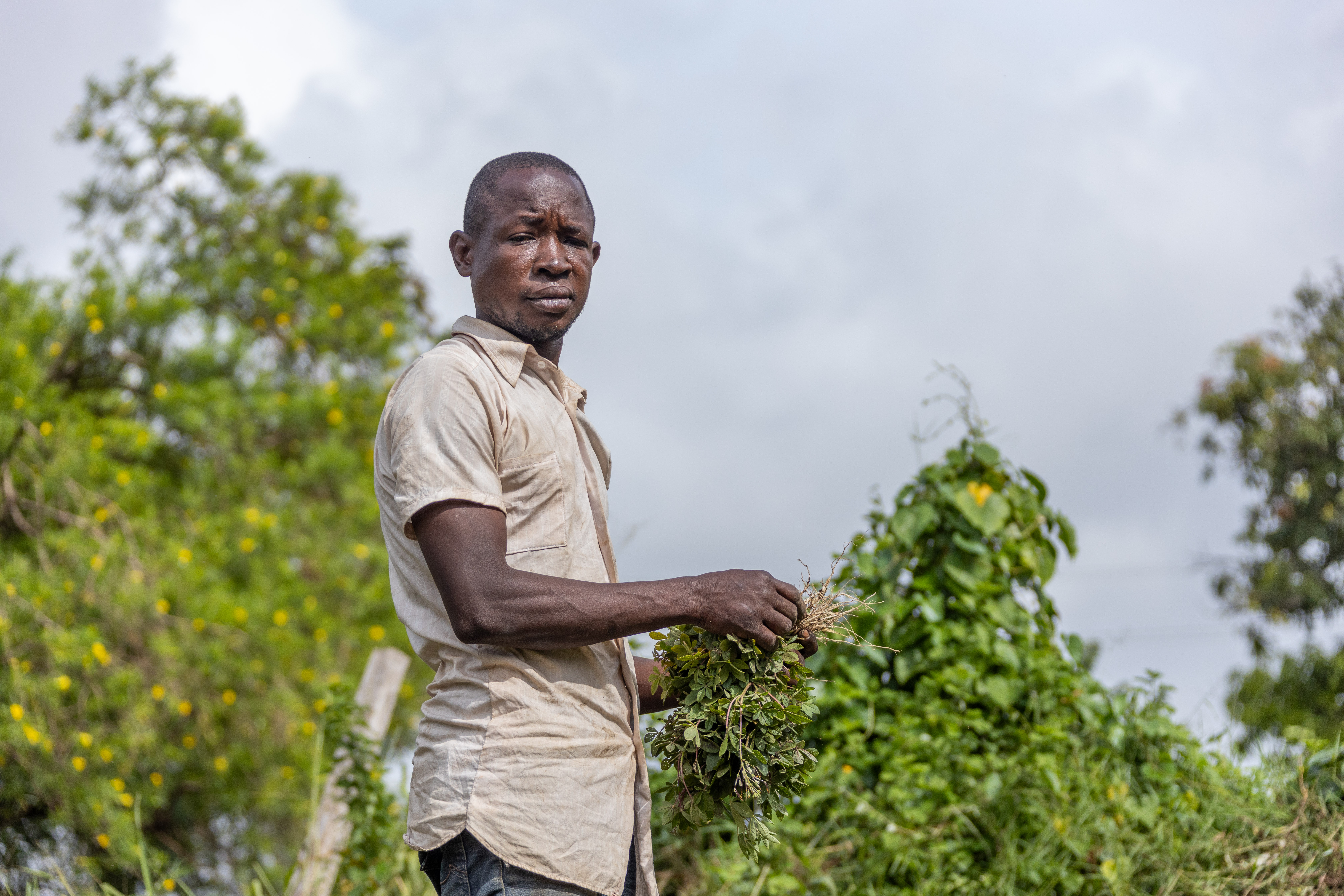
- Replace real people in documentary work. If a story is about a real farmer, a real nurse or a real community, then those people, their faces and their words are the story. Nothing generated should stand in for them.
- Create "evidence." No generated images of events that didn't happen, no fake crowds, no invented testimonials. NGOs and companies trust me to show what is real. That trust is the whole job.
- Hide anything. When something I share is made with AI tools, I say so clearly.
Why the line matters
Documentary only works if people can trust it. The moment an audience suspects a photo or a scene has been invented, every real story loses some of its power. Communities who let me into their lives deserve better than that.
At the same time, I don't want to pretend the tools don't exist. Many young African creatives are using them to make work they could never have afforded before. I'd rather show how to use them honestly than stand on the sidelines.
So that's the rule I work by. Real stories stay real. Imagined worlds are labelled as imagined. Both can move people. Neither should fool them.
Whether a story is true or imagined
My aim is the same either way: to leave you feeling something real.
If you're curious about my imagined work, the AI pieces in my Creations section are always labelled. And if you need a real story told, with real people, that's what most of my days are made of. Let's talk.
Follow the Dispatches
Get future field notes, practical client guides, and private reflections delivered straight to your inbox. No spam, just the craft.
Discussion & Feedback
Got a story worth telling?
Commissioned documentary films, photography series, and authentic brand storytelling.